Typography is never neutral. Every serif, every bold sans-serif stem, and every hastily sprayed stencil carries an ideological weight. While design galleries and corporate agencies often treat typography as a refined discipline of grid systems and brand guidelines, its most potent history has always been written on the streets, printed on underground presses, and painted on protest banners. In Indonesia, the intersection of typography and resistance is not just an abstract theory; it is woven directly into the nation’s history of struggle, freedom, and collective action.
Typography and Resistance in Indonesia
- Discourse
- 2026-10-09
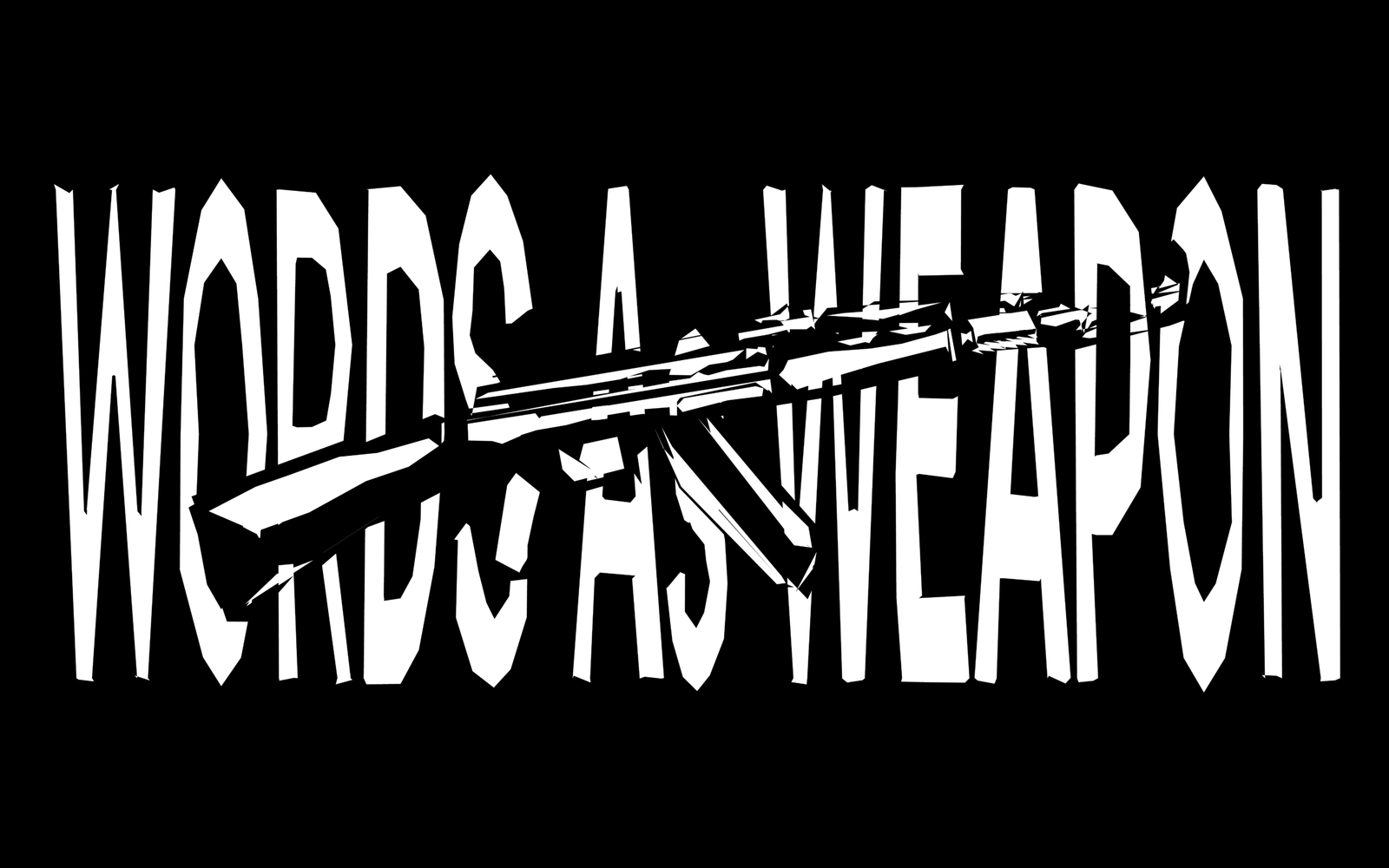
Words as Weapons: The Power of the Stenciled Wall
In Indonesian history, when formal channels of communication are censored, controlled, or suppressed, the public landscape becomes the printing press.
During the Indonesian National Revolution (1945 to 1949), words painted on walls, trains, and street signs in Jakarta and Yogyakarta were critical acts of defiance. High-contrast, all-caps lettering shouting slogans like “Merdeka atau Mati” (Freedom or Death) transformed quiet alleys into battlegrounds of legitimacy. There were no grid systems or fine-tuned kerning rules, only raw, high-contrast block lettering designed to be painted fast, read faster, and resist imperial occupation.
This raw typographic energy resurfaced during the 1998 Reformasi movement and remains alive today. In modern Indonesian street culture, wall stencils, wheat-pasted posters, and hand-drawn protest typography serve as the visual megaphones for students, labor unions, and local collectives. When a message is stenciled onto a concrete wall using spray paint and cardboard cutouts, the typography itself communicates urgency, defiance, and grassroots ownership.
The Mechanics of Resistance: Press, Zines, and Underground Prints
Typography becomes a tool of resistance through the very mechanics of how it is reproduced and distributed. During periods of heavy political authoritarianism, independent publishers and underground movements relied on low-budget reproduction methods like spirit duplicators, mimeograph machines, and later, cheap photocopy shops. This gave birth to a distinct Indonesian zine and punk aesthetic:
- Distorted, high-contrast lettering born from multiple generations of photocopying.
- Hybrid scripts blending local idioms, Bahasa Indonesia, and English.
- D.I.Y. paste-up layouts where clipped newspaper headlines were repurposed to criticize authority.
This visual language rejected the sleek, sterile aesthetics of corporate advertising. The intentional roughness of the typography signaled authenticity. It proved that the voice behind the words was human, independent, and unbought.
Typography as Cultural Reclamation
Resistance in Indonesian typography is not only about political protest, it is also about resisting cultural erasure and homogenization. Decades of modernization and digital dominance have pushed traditional regional scripts (Aksara Nusantara like Javanese, Sundanese, Balinese, or Lontara) to the margins. Reclaiming these scripts and reimagining them for the modern digital age is its own quiet revolution.
When Indonesian type designers digitize, revive, or hybridize traditional aksara into modern variable fonts or display typefaces, they are challenging the Western-centric dominance of the global font market. It is an act of preserving heritage, asserting local identity, and proving that typography in the Global South does not need to conform to European standards to be powerful or functional.
From the Streets to the Commons: Open Source as Modern Resistance
Today, the battleground for resistance in typography has expanded into the digital realm. As design software and font licensing become increasingly monopolized and expensive, independent creators, activists, and small communities are once again priced out of high-quality tools. In response, a growing grassroots movement of Indonesian designers is turning to open-source typography.
Releasing fonts freely under open-source licenses is a modern continuation of the street-stencil ethos:
- Democratizing access: Giving tools directly to zine makers, students, local activists, and independent designers without financial barriers.
- Rejecting corporate gatekeeping: Refusing to let typography be hoardable wealth or exclusive corporate property.
- Fostering community power: Encouraging collective adaptation, modification, and shared ownership.
The Heritage Continues
Typography in Indonesia has always been at its best when it leaves the quiet sanctuary of theoretical design and gets its hands dirty. From the revolution era slogans painted on city walls to the photocopied punk zines of the 90s, and now to open-source type foundries empowering modern creators, type and resistance remain inextricably linked.
Letters are not just passive containers for messages. In the right hands, they are tools of liberation.